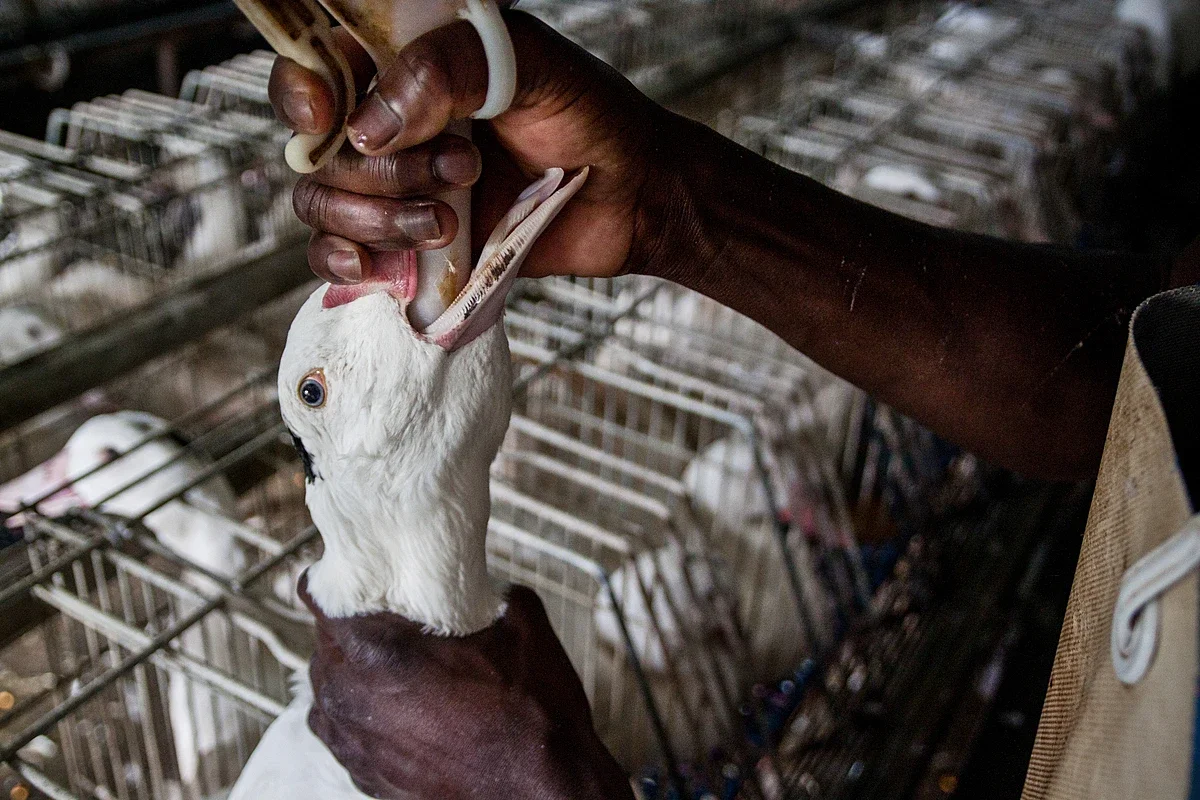

CRUELTY
Force fed production relies on gavage, a force-feeding process in which ducks or geese are fed 20–30% of their body weight in one sitting, two to three times per day for several weeks. A bird’s liver, which naturally weighs 40–50 grams, is enlarged to 300–700 grams to meet foie gras standards. (Fox, Chavira, 2025)
This induces hepatic lipidosis (fatty liver disease), respiratory distress, reduced mobility, and organ dysfunction.
The primary breed used (Moulard ducks, a Pekin–Muscovy hybrid) is non-migratory, contradicting industry claims that force-feeding mimics natural behavior. During gavage, mortality increases by over 900%, and overall death rates are 10–20 times higher than in non-force-fed birds. (Fox, Chavira, 2025)
Birds frequently die from ruptured organs, overheating, bacterial infections, punctured necks, or hyperventilation.
Post-mortem analyses show significant amyloid deposits in the liver, compounded by the stress of force-feeding. (Fox, Chavira, 2025)
Many birds die before slaughter due to complications from the procedure.

HEALTH RISKS
Amyloids and Neurodegenerative Disease
Force fed products contains amyloid proteins, misfolded proteins linked to amyloidosis, organ failure, Alzheimer’s disease, and dementia. (Fox, Chavira, 2025)
Cooking does not fully eliminate amyloid activity. Amyloid consumption can trigger Amyloid Enhancing Factor (AEF), accelerating protein aggregation in the body.
The report highlights a stark correlation:
1 in 9 Americans over 65 has Alzheimer’s
· 1 in 4 seniors in France (the largest foie gras consumer) has Alzheimer’s (Fox, Chavira, 2025)
Amyloids accumulate in tissues, restrict blood flow, impair cognition, and can cause organ failure. They may worsen inflammatory conditions such as rheumatoid arthritis, asthma, IBS, and immune disorders.
Foie gras is classified as a medium- to high-risk ready-to-eat product. Ducks are raised in CAFO-style confinement with constant exposure to feces, creating ideal conditions for Listeria monocytogenes. (Fox, Chavira, 2025)
Listeria:
Survives refrigeration
Targets the liver first after infection
Causes fever, muscle aches, confusion, meningitis, septicemia, miscarriage, and death
Is particularly deadly for pregnant women, elderly individuals, children, and the immunocompromised
A U.S. liver product outbreak recently caused at least 10 deaths, demonstrating the lethal risk of liver-based products. (Fox, Chavira, 2025)
Listeria (Listeriosis)
A Bulgarian study found 86% of foie gras ducks tested positive for Campylobacter, and 12.5% of livers remained contaminated even after chilling. (Fox, Chavira, 2025)
Campylobacter infection can cause:
Severe diarrhea (sometimes bloody)
Fever and abdominal pain
Dehydration
Reactive arthritis
Guillain-Barré syndrome (paralysis)
Miscarriage in pregnant women
Because foie gras is often served undercooked (118–131°F), below CDC-recommended safe temperatures (165°F), pathogens may survive. (Fox, Chavira, 2025)
Campylobacter & Food Poisoning
Flame Retardants & Toxin Accumulation
Foie gras contains some of the highest levels of brominated phenols (flame retardants) recorded in food testing — up to 710 pg/g, nearly 10× the average meat product.
Because the force-fattened liver is compromised, it cannot metabolize toxins effectively, leading to accumulation. These compounds are linked to:
Endocrine disruption
Thyroid dysfunction
Neurotoxicity
Reproductive harm
Increased cancer risk
Weakened immune function
Consumers ingest concentrated toxins stored in diseased liver tissue. (Fox, Chavira, 2025)
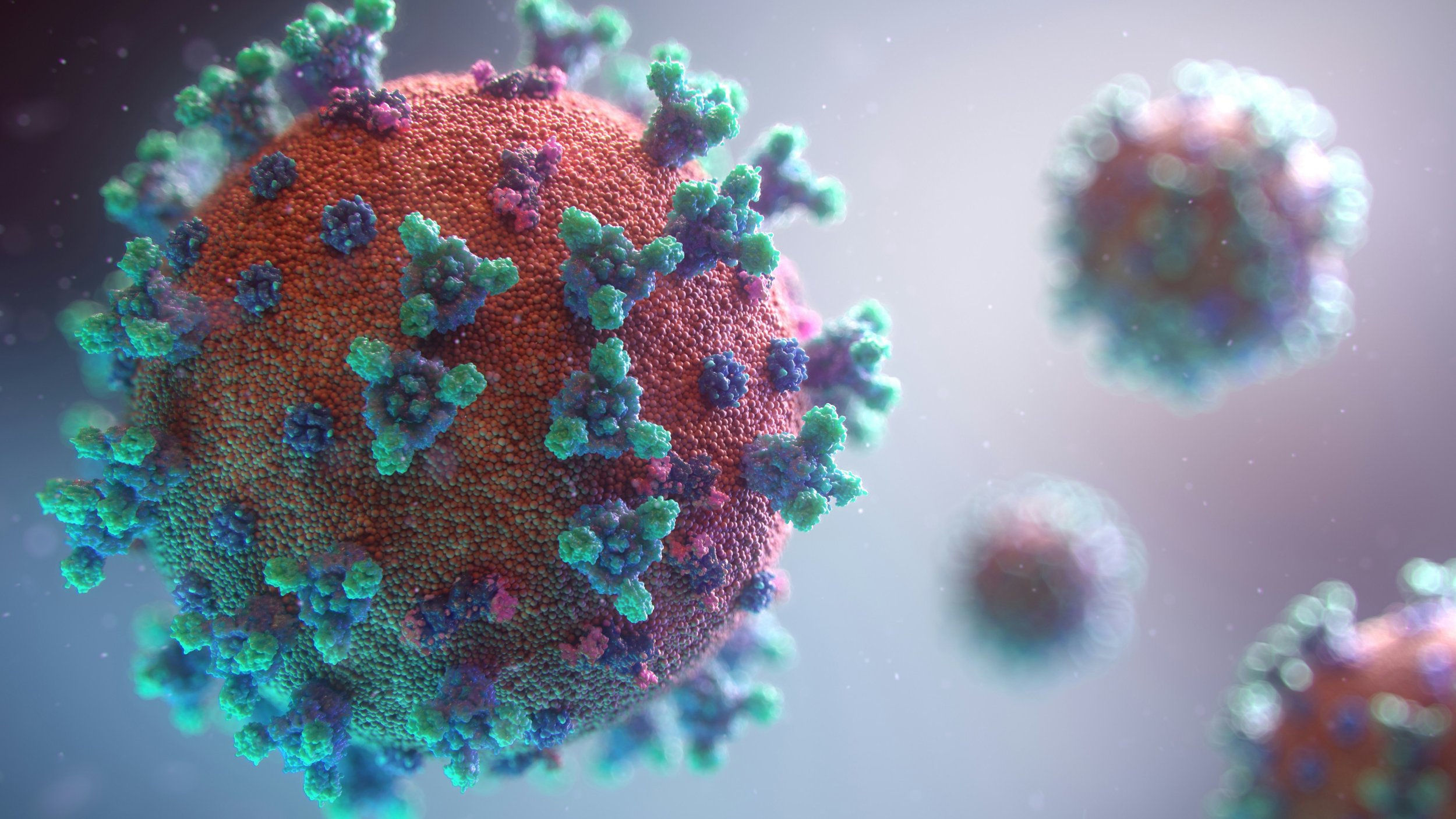
HPAI (Highly Pathogenic Avian Influenza)
Ducks and geese are natural reservoirs for HPAI. Intensive foie gras farms create artificial concentrations of waterfowl, accelerating viral mutation and spread. (Fox, Chavira, 2025)
HPAI:
Has a reported 52% fatality rate in humans
Spreads via contact with infected birds, contaminated environments, or consumption of undercooked organs
Is considered a likely candidate for the next influenza pandemic (Fox, Chavira, 2025)
Recent outbreaks include:
H5N9 strain (California duck farm, 2025)
Spread to minks, dairy cows, cats, sea lions, foxes, bears, and other mammals
Over 100 million chickens culled in the U.S.
Nearly 200 dairy herds infected
HPAI detected in retail milk (Fox, Chavira, 2025)
Active HPAI can be contagious up to 20 days in duck liver.
OH Administrative Code OAC 3717-1-03.5 if animal-derived foods are served raw or undercooked (or without being processed to eliminate pathogens), there must be consumer advisories /disclosures (on menus, signage, etc.). This is rarely mentioned on menus and not enforced.
HPAI easily spreads to humans through direct contact with infected birds, contaminated environments, and by consuming raw or undercooked duck organs (such as force-fed poultry).
HPAI has now been detected in mammals, including minks, sea lions, foxes, bears, and even domestic pets. Human infection is inevitable. Since 2021, the USDA has spent over $1billion in efforts to remediate damages onfarms affected by HPAI outbreaks.
Heavy Tax-Payer Burden in Ohio
California and Colorado have called astate of emergency
Mercer and Darke counties in Ohio have declare local states of emergency
California, Brookline, Massachusetts, and Pittsburgh, Pennsylvania has already implemented a similar policy
Foie gras and related force-fed poultry products are high-risk conduits for a human-to-human transmissible variant
Foie gras is particularly concerning because it is commonly served undercooked, below virus-killing temperatures.
If HPAI mutates for efficient human-to-human transmission, experts warn it could trigger another global shutdown. (Fox, Chavira, 2025)
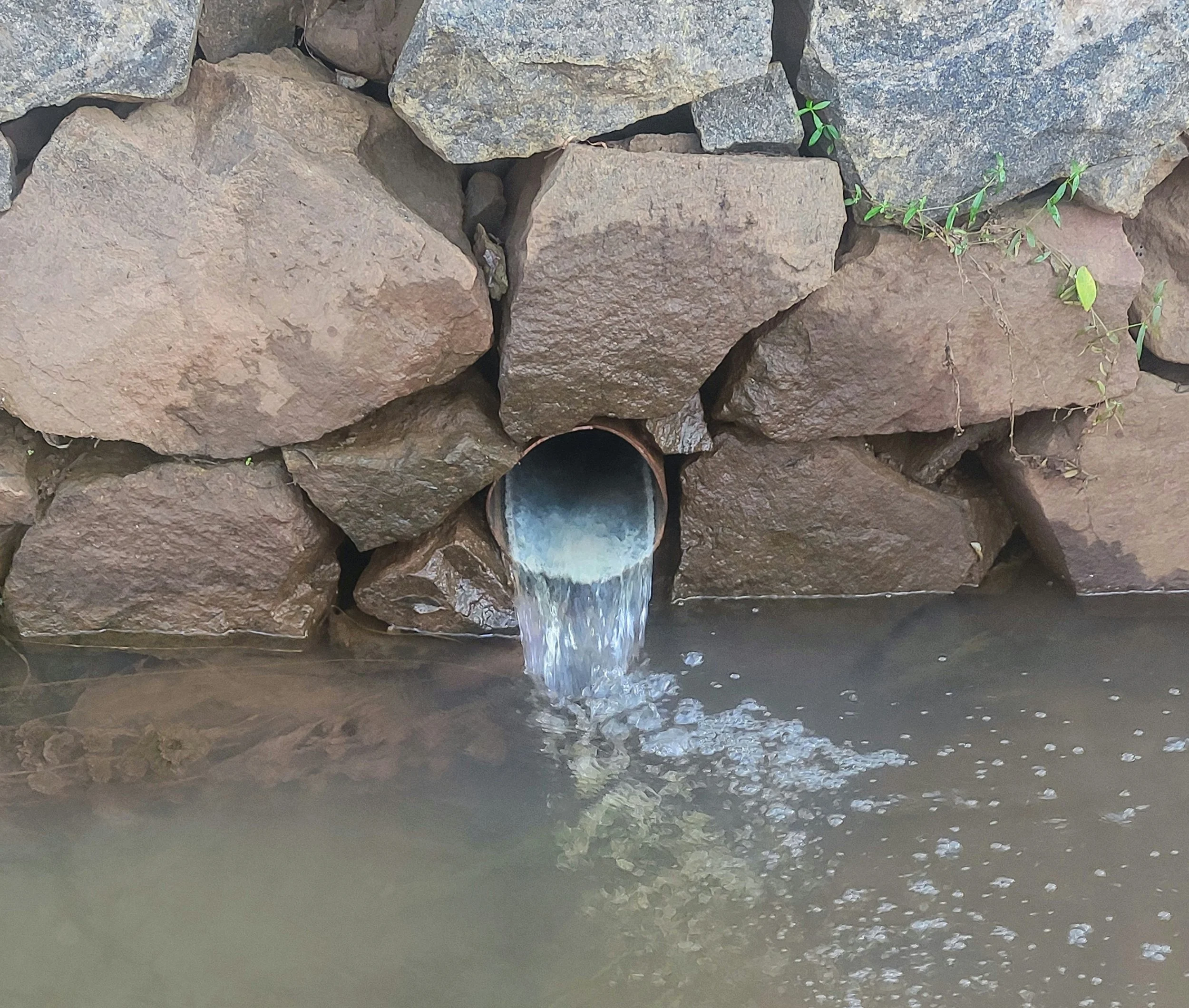
ENVIRONMENTAL IMPACT
Foie gras production generates extreme ecological damage.
Waste & Water Use
U.S. operations discharge approximately 1.5 million gallons of wastewater annually
Waste contains urine, blood, feces, pathogens, pharmaceuticals, and heavy metals
Producers have violated the Clean Water Act over 1,100 times
The force-feeding process requires substantially more feed than standard poultry production, creating thousands of tons of nitrogen- and phosphorus-rich waste.
Harmful Algal Blooms (HABs)
Nutrient runoff causes:
Harmful algal blooms
Eutrophication
Oxygen depletion (dead zones)
Fish kills
Contaminated drinking water (Fox, Chavira, 2025)
HABs have:
Contaminated municipal water supplies (e.g., Toledo, Ohio)
Caused mass fish deaths
Cost an estimated $12 trillion globally in remediation
Biodiversity Collapse
Waterfowl farms act as viral amplifiers. HPAI spreads via:
Waste used as fertilizer
Rodents and cats moving between farms
Feed transportation
Wildlife exposure (Fox, Chavira, 2025)
Consequences include:
1,775+ outbreaks in France
610 bald eagle deaths nationwide
Widespread infection in wild mammals
USDA import bans from France and Hungary
The ecological ripple effect extends from farmed birds to wildlife, dairy cattle, companion animals, and humans.
Summary of Key Impacts
Cruelty:
Extreme force-feeding, 900% mortality increase during gavage, organ rupture, and chronic suffering.
Health:
Amyloids linked to Alzheimer’s and organ failure, Listeria fatalities, Campylobacter contamination, flame retardant toxin accumulation, food poisoning risk from undercooking.
HPAI:
52% human fatality rate, rapid mutation in concentrated duck farms, over 100 million poultry culled, growing mammal spread, credible pandemic risk.
Environmental:
1.5 million gallons of wastewater annually, nutrient pollution, algal blooms, dead zones, biodiversity collapse, Clean Water Act violations.
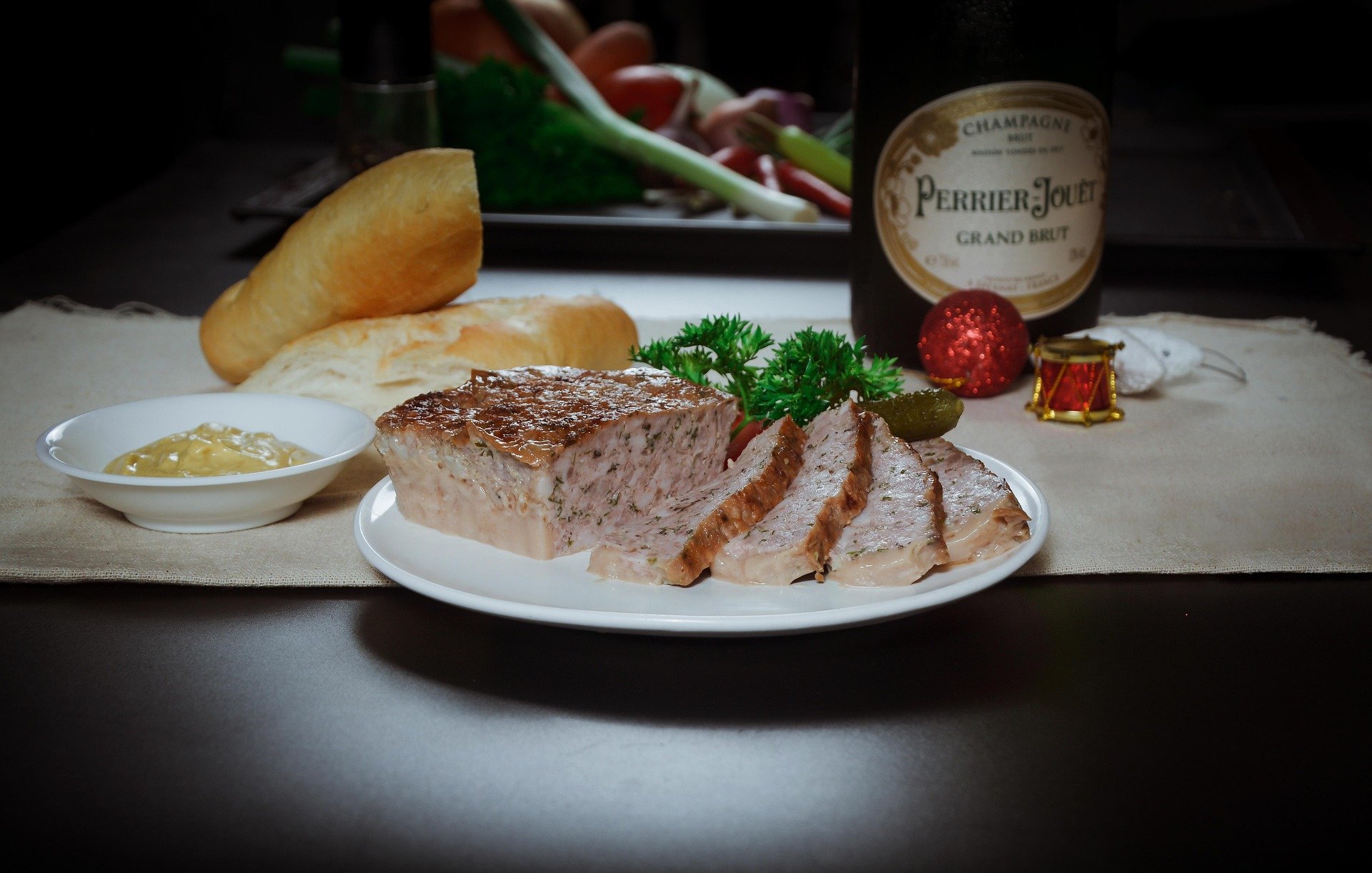
Products from force fed production
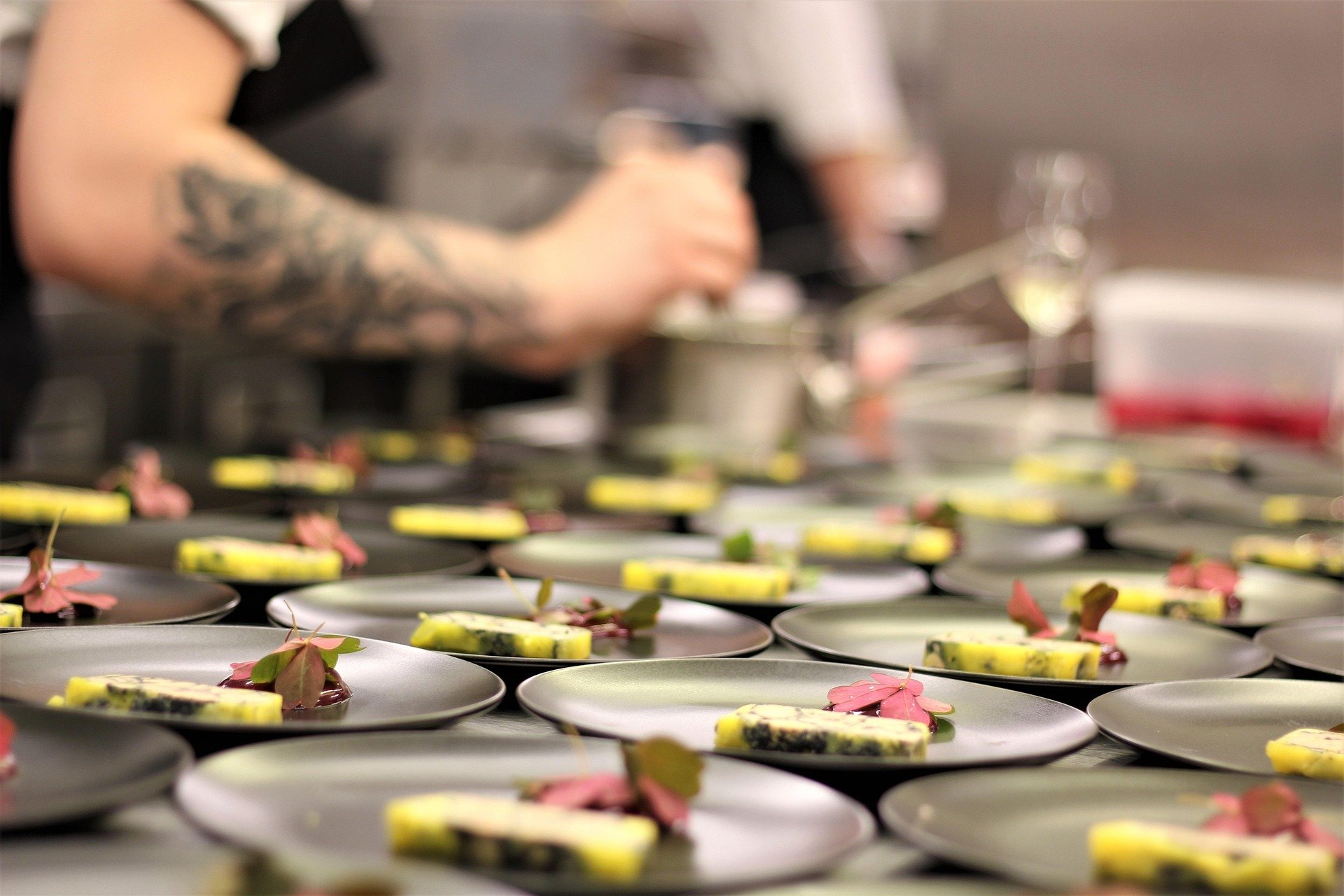
Foie Gras
Pâté
Goose liver mousse
Duck liver spread
Duck breast (often labeled magret — specifically from force-fed ducks)
Duck confit
Duck rillettes
Rendered duck fat
Whole duck meat from foie gras farms
Found in pet food (You are putting your pets at risk of HPAI and food poisoning)
Canned dog and cat food
Raw frozen pet food blends
Dehydrated or freeze-dried treats
“Novel protein” limited-ingredient diets
Duck liver dog treats
Down Feathers (HPAI stays in the feathers for 6 months)
Jackets and parkas
Comforters and duvets
Pillows
Sleeping bags
Upholstery insulation
Why Do These Matter?
Foie gras is the primary profit driver, but the economics of the system depend on full carcass utilization. Selling meat, fat, pet food ingredients, and feathers:
Offsets production costs
Increases total profitability
Integrates foie gras birds into broader food and textile markets
This means foie gras production is not isolated to a single luxury food item — it feeds into multiple consumer industries, creating a greater risk of the spread of HPAI, Alzheimer's, Dementia, food poisoning, etc.